
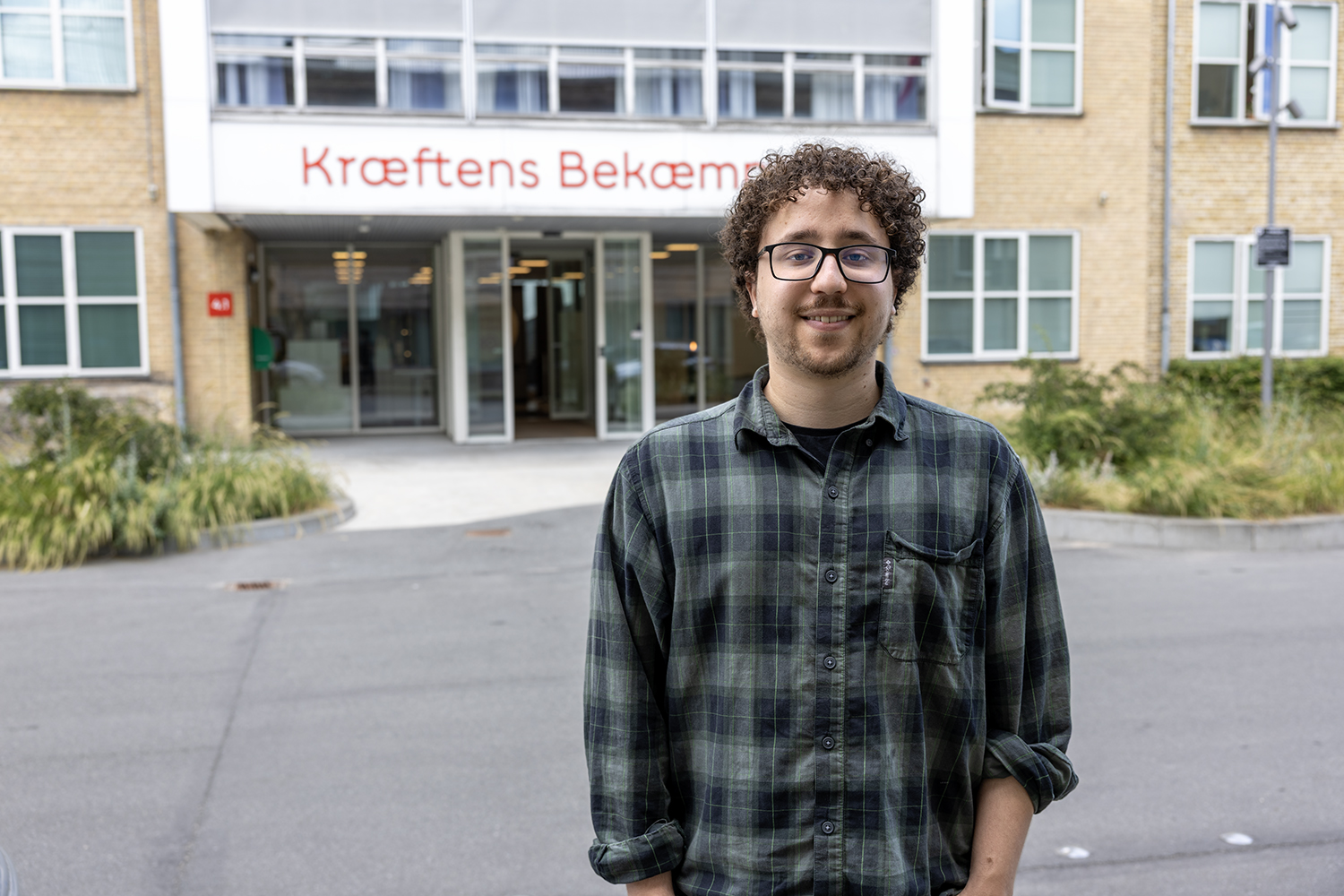
Samuel Ruiz-Pérez
Abstract:
Erosion of DNA methylation is a hallmark of aging and cancer. DNA methylation is a key epigenetic mark that preserves cellular identity, silences repetitive DNA, and safeguards genome stability. After DNA replication, methylation patterns must be restored on newly synthesized DNA strands to prevent methylation loss. However, emerging evidence shows that this process is slow and error‑prone in specific genomic contexts, especially in repetitive elements. These regions replicate late, possess highly similar sequences, and are poorly resolved by short‑read sequencing, leaving their methylation inheritance largely unexplored. Loss of DNA methylation across cell divisions is widespread in cancer and aging, but we lack both the data and the mechanistic models needed to quantify how methylation fidelity breaks down in repeats and how this is shaped by replication timing, chromatin context, or sequence.
This project will fill these gaps by integrating single‑molecule long‑read sequencing, single‑cell data, and deep learning to dissect DNA methylation maintenance in repeats at unprecedented resolution. First, I will develop a probabilistic framework that rescues repeat DNA methylation signals by combining short- and long‑read datasets, enabling accurate reconstruction of methylation profiles across repeat classes. Second, I will quantify intra‑ and intercellular variability and methylation entropy in repeats, providing a characterization of repeat methylation stochasticity across tissues. Finally, using novel replication‑aware long‑read DNA methylation data, I will build a deep learning model that captures context‑dependent restoration kinetics, integrating repeat structure, nucleosome positioning, histone marks, replication timing, and 3D features to identify determinants of faithful or defective methylation inheritance.
By uniting replication-aware sequencing with deep learning, this project will generate the first quantitative framework of methylation maintenance in repeats and provide tools to model how genome architecture and replication dynamics shape epigenetic memory over the >10 quadrillion cell divisions of a human lifetime. Loss of DNA methylation in repeats contributes to genome instability, tumor evolution, and aging‑related dysfunction. This work will provide essential tools to detect and classify aberrant methylation maintenance across cancer and aging-related disorders, and potentially identify novel biomarkers and intervention opportunities.